
Wellness starts with vision.
Wellness starts with vision.
Dry Eye Disease
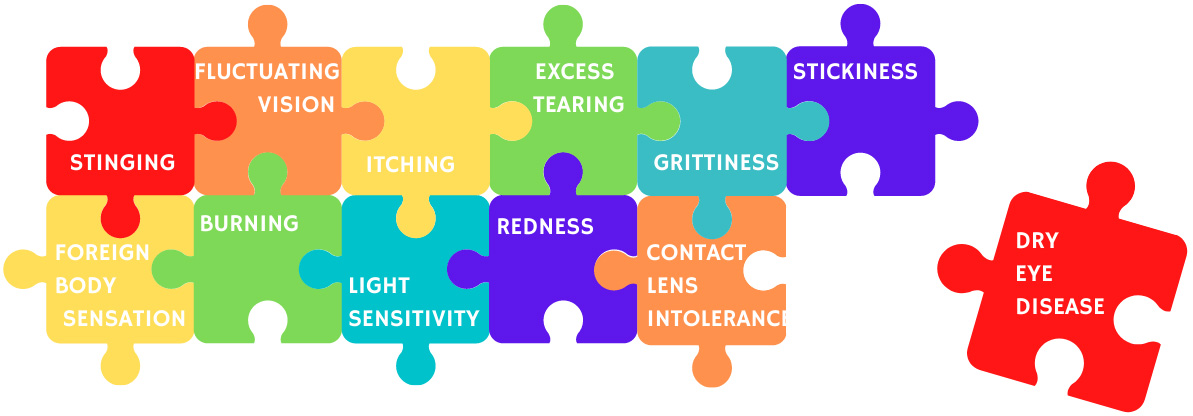
Dry Eye Disease is a common, chronic condition that can affect comfort, vision, and overall eye health. Symptoms may include dryness, watering, burning, irritation, gritty sensation, light sensitivity, or fluctuating vision.
At Roseland Optometry, we help patients understand what dry eye is, why it happens, and when a focused dry eye assessment may be helpful. Treatment options are discussed when appropriate based on your symptoms, eyelid health, tear film, and exam findings.
What is Dry Eye Disease?
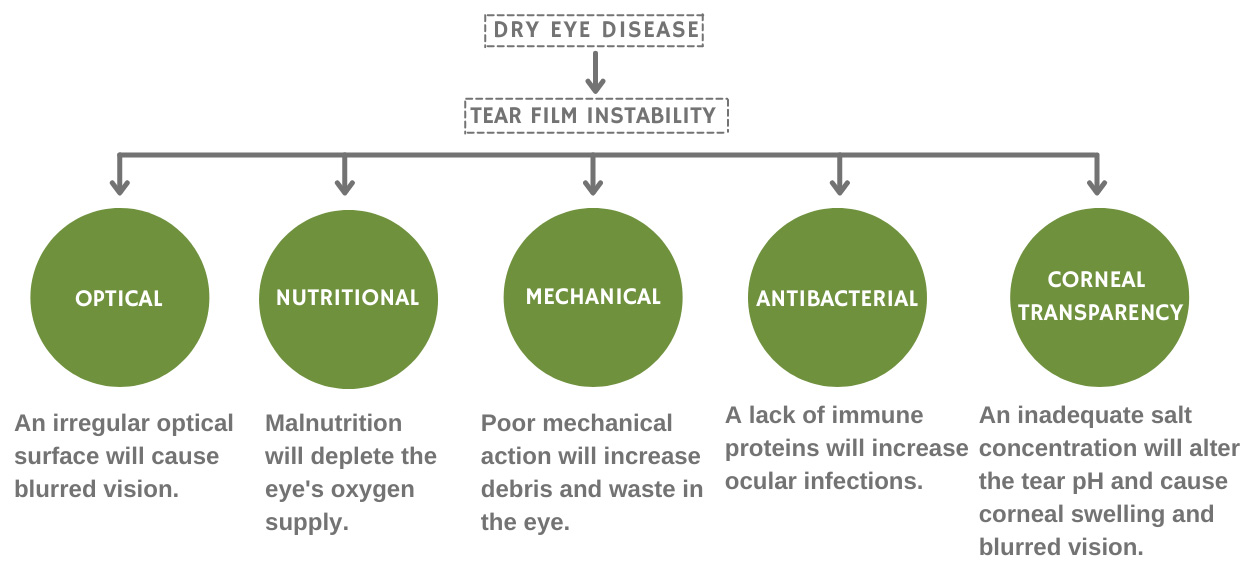
Dry Eye Disease is a chronic condition that affects the tear film and ocular surface. It can cause discomfort, visual disturbance, inflammation, and tear film instability, and may worsen over time if not properly managed.
Dry eye is not always caused by a lack of tears. Many patients have tears that evaporate too quickly because the eyelid oil glands are blocked or not functioning well. Others may have inflammation, eyelid disease, medication-related dryness, contact lens discomfort, or a combination of several factors.
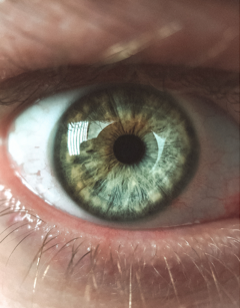
Our goal is to identify the cause of your symptoms, decrease inflammation, restore better balance on the ocular surface, and create a plan that supports long-term comfort and eye health.
Book a Dry Eye AssessmentCommon Dry Eye Symptoms
Dry eye symptoms can vary from person to person. Some patients feel obvious dryness, while others mainly notice watering, fluctuating vision, or eye fatigue.
- Burning, stinging, or irritated eyes
- Blurry or fluctuating vision
- Redness or inflammation
- Light sensitivity
- Foreign body or gritty sensation
- Watery eyes or excessive tearing
- Itching or eyelid irritation
- Ocular fatigue or tired eyes
- Contact lens discomfort or intolerance
- Eye pain or discomfort
What Causes Dry Eye?
Dry eye is often caused by a cycle of inflammation, tear film instability, and poor oil gland function. Identifying the contributing factors is important because different causes may require different treatments.
- Aging and hormonal changes, including menopause
- Meibomian gland dysfunction or blocked eyelid oil glands
- Blepharitis, ocular rosacea, or eyelid inflammation
- Medications for allergies, blood pressure, depression, and other conditions
- Digital screen use and reduced blink rate
- Medical conditions such as arthritis, diabetes, and autoimmune disease
- Contact lens wear
- Previous eye surgery
- Environmental factors such as wind, sun, air conditioning, and dry indoor air
- Low dietary intake of omega-3 fatty acids
Dry Eye Assessments
A dry eye assessment helps us understand what is causing your symptoms and how advanced the condition may be. Your assessment may include a review of your symptoms, health history, medications, screen habits, contact lens wear, eyelid health, tear film quality, and meibomian gland function.
This information helps us recommend a treatment plan that may include home care, dry eye products, prescription therapy, in-office treatments, or ongoing maintenance.
Book a Dry Eye AssessmentDry Eye Treatment Options
Dry eye treatment starts with understanding the cause of your symptoms. At Roseland Optometry, we use a comprehensive approach to assess tear quality, eyelid health, inflammation, and environmental factors that may be affecting your comfort and long-term eye health.
Whether your eyes feel dry, watery, gritty, tired, irritated, or sensitive to light, a dry eye assessment can help guide the right treatment plan for your needs.
At-Home Care
At-home care may be recommended to support daily comfort and help maintain treatment results. This may include artificial tears, lubricating ointments, warm compresses, eyelid hygiene, omega-3 supplements, environmental changes, and screen habit adjustments.
Prescription Therapy
Some patients benefit from prescription medicated eye drops or other therapies to reduce inflammation and improve tear film stability. Your optometrist will recommend prescription treatment when it is appropriate for your specific symptoms and exam findings.
In-Office Treatments
In-office treatments may be recommended when symptoms are related to blocked oil glands, eyelid inflammation, or more advanced dry eye disease. Options may include iLux, Zest, punctal plugs, IPL, and radiofrequency therapy.
When to Book a Dry Eye Assessment
Book a dry eye assessment if your symptoms are frequent, persistent, affecting your vision, or not improving with over-the-counter drops. You should also book an assessment if you are relying on eye drops every day, struggling with contact lens comfort, or noticing symptoms during screen use, reading, driving, or dry indoor conditions.
Early assessment can help prevent the dry eye cycle from worsening and make treatment more effective over time.