
Wellness starts with vision.
Wellness starts with vision.
Children’s Eye Exams
Children’s eye exams help ensure your child is seeing clearly, using their eyes comfortably, and reaching important visual milestones as they grow.
At Roseland Optometry, we care for children as part of the whole family. We take time to assess vision, eye coordination, eye health, and visual development in a calm, child-friendly environment.
Why Children’s Eye Exams Matter
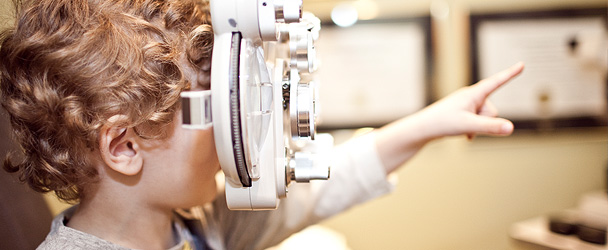
Children do not always know when their vision is unclear, and many vision problems can exist without obvious symptoms. Regular eye exams help detect concerns early, before they affect learning, reading, sports, confidence, or long-term eye health.
During a children’s eye exam, we assess how clearly your child sees, how well their eyes work together, how they focus, and whether their eyes are healthy and developing as expected.
When Children Should Have Eye Exams
Children should have their first eye exam by 6 months of age, another exam before starting school, and regular exams throughout childhood. School-aged children should generally have an eye exam every year, or more often if recommended by the optometrist.
Annual eye exams are especially important if your child wears glasses or contact lenses, has a family history of eye conditions, is struggling with reading or school work, or has a prescription that is changing over time.
Book a Children’s Eye ExamSigns Your Child May Have a Vision Problem
Book an eye exam if you notice any of the following signs, or if a teacher, coach, or caregiver has raised concerns about your child’s vision or visual comfort.
- Frequent eye rubbing or blinking
- Squinting or sitting very close to screens
- Complaints of blurry vision, headaches, or tired eyes
- An eye turn in or out
- Tilting the head or covering one eye
- Short attention span during reading or close work
- Poor reading, losing place while reading, or avoiding close work
- Poor eye-hand coordination or difficulty with sports
- Difficulty seeing the board at school
Vision, Learning, and Screen Use
Clear, comfortable vision is an important part of learning. Children use their eyes constantly for reading, writing, screens, classroom activities, sports, and play.
- Vision problems can affect reading comfort, focus, and classroom performance.
- Good vision supports learning to read, visual attention, and hand-eye coordination.
- Screen use and close work can contribute to tired eyes, dryness, headaches, or visual fatigue.
An eye exam can help determine whether symptoms are related to prescription needs, eye coordination, focusing, dry eye, screen habits, or another concern.
Book a Children’s Eye ExamMyopia and Nearsightedness in Children
Myopia, or nearsightedness, can develop during childhood and may progress as a child grows. Children with myopia often see clearly up close but have trouble seeing distant objects, such as the board at school, road signs, or the field during sports.
If your child’s prescription is increasing, myopia management may help slow progression and support long-term eye health.
Sunglasses for Children
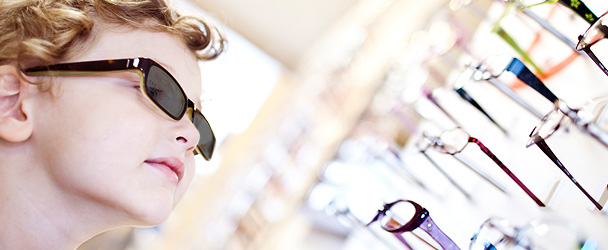
Children’s eyes should be protected from UV light from an early age. Cumulative UV exposure may contribute to eye health changes later in life, including cataracts and macular degeneration.
We recommend sunglasses with 100% UVA and UVB protection for children of all ages. Polarized lenses may also help reduce glare and improve comfort outdoors.