
Wellness starts with vision.
Wellness starts with vision.
IPL and RF Dry Eye Treatment
IPL and radiofrequency treatments can help relieve dry, irritated eyes by targeting inflammation, eyelid health, and blocked oil glands that contribute to evaporative dry eye.
At Roseland Optometry, these advanced in-office treatments are used as part of a personalized dry eye care plan, with added aesthetic benefits for patients who are also interested in improving redness, tone, and skin texture around the eyes.
IPL Eye Therapy

Light-based treatment for dry eye, inflammation, and ocular rosacea
IPL (Intense Pulsed Light) therapy uses carefully controlled pulses of light to help reduce inflammation around the eyelids and improve meibomian gland function. It may be recommended for patients with dry eye, blepharitis, ocular rosacea, Demodex-related lid irritation, or redness around the eyes.
By supporting healthier oil glands and reducing inflammation, IPL can help improve tear film quality and reduce the burning, watering, grittiness, and irritation often associated with dry eye disease.
Potential benefits of IPL
- Helps relieve dry eye symptoms and eyelid inflammation
- Supports meibomian gland function and tear film stability
- May reduce redness associated with ocular rosacea
- Can help manage Demodex-related lid irritation
- Quick, non-invasive, in-office treatment
- May also improve the appearance of redness, pigmentation, and uneven skin tone
IPL is often performed as a series of treatments. Your optometrist will recommend a plan based on your dry eye assessment, symptoms, eyelid health, and treatment goals.
Radiofrequency Dry Eye Therapy
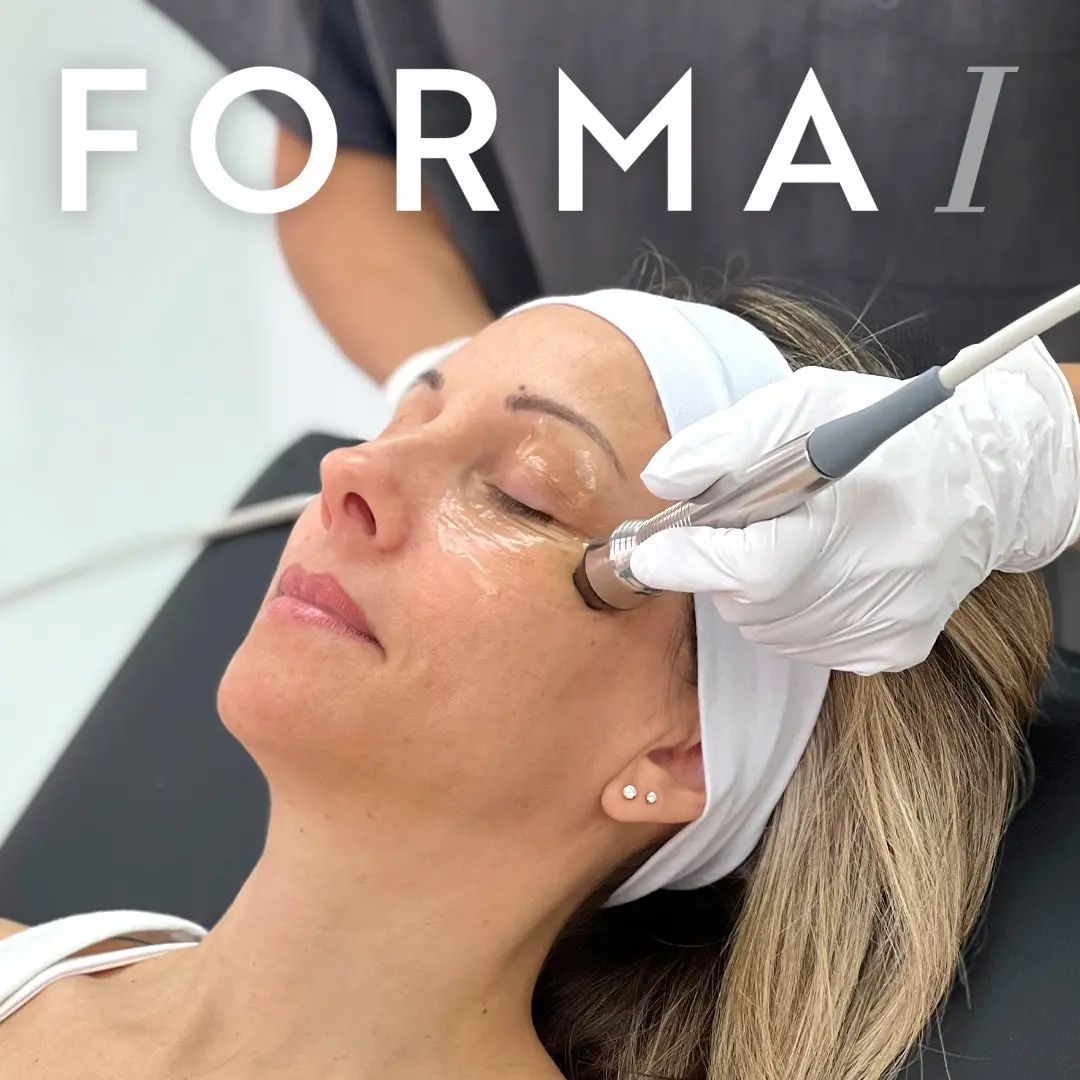
Gentle heat therapy for meibomian gland dysfunction
Radiofrequency (RF) therapy uses controlled heat to help soften thickened oil within the meibomian glands. These glands play an important role in preventing tear evaporation, and blocked or poorly functioning glands are a common cause of evaporative dry eye.
RF treatment is warm, gentle, and non-invasive. It may be recommended for patients with dry, tired, irritated, or watery eyes related to meibomian gland dysfunction, and it can be combined with IPL when a broader treatment plan is appropriate.
Potential benefits of RF
- Helps soften blockages in the eyelid oil glands
- Supports better tear balance and reduced evaporation
- Feels like a warm massage around the eyes
- Non-invasive, with little to no downtime
- Can be combined with IPL for a more complete dry eye treatment plan
- May also support firmer, smoother-looking skin around the eyes
What to expect
We use Forma-I RF, a heat-based treatment designed for the delicate area around the eyes. Ultrasound gel is applied, and you will feel warm, gentle pressure during the treatment. Your optometrist may express the glands afterward to help release trapped oils.
A typical session takes approximately 20–30 minutes. Mild redness can occur after treatment and usually settles quickly. Many patients require a series of sessions, with the number and timing based on their dry eye assessment and response to treatment.